AI Marketing Agents for Small Businesses: What's Actually Useful in 2026
Jakub Nikodym · August 20, 2026
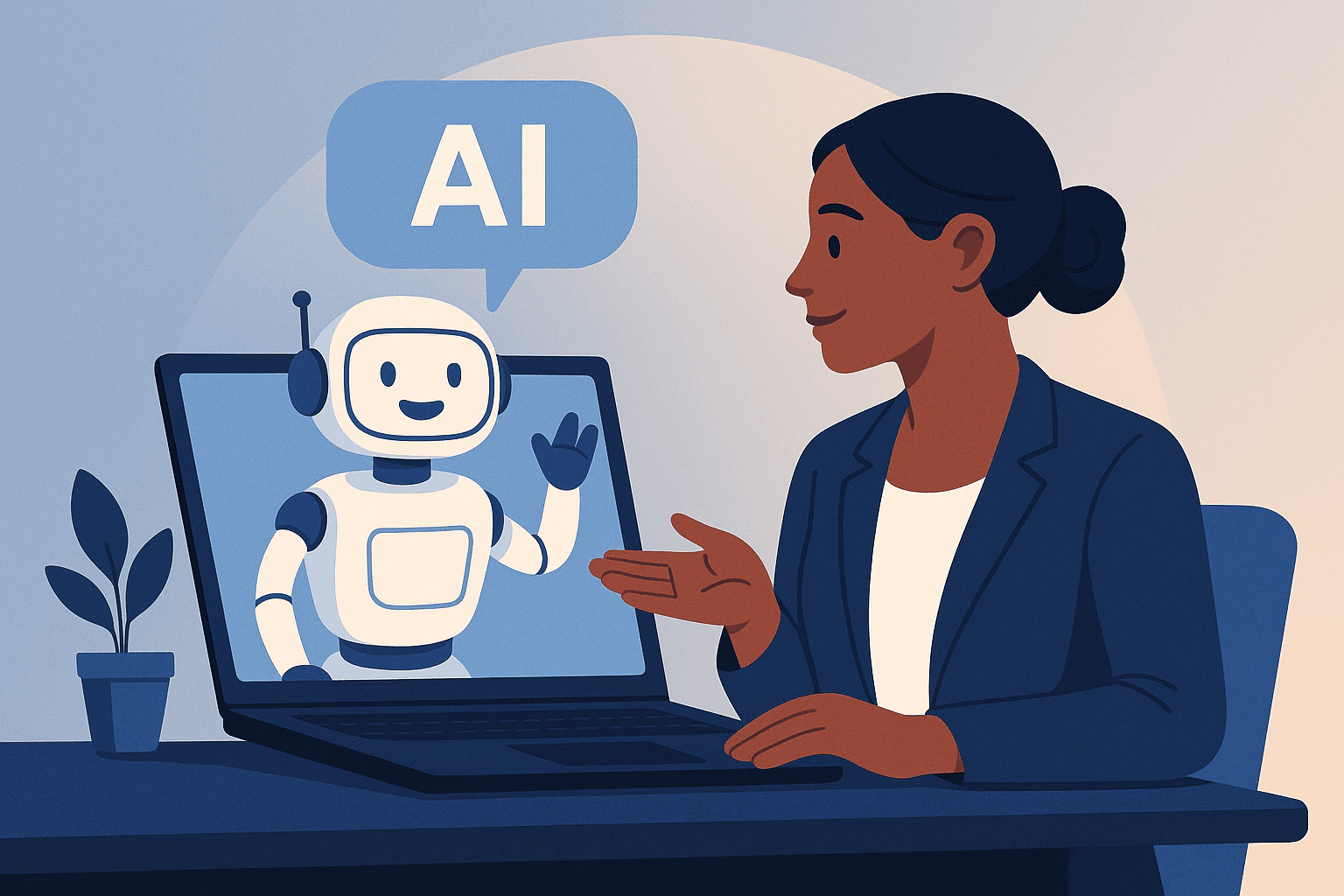
In 2026, small businesses harness AI marketing agents to cut through the noise of overwhelming digital strategies and improve ad performances. If you're managing your company's marketing without a dedicated in-house team, understanding which AI tools offer real value can radically improve your efficiency and ROI.
Key takeaways
- AI-driven tools offer precision in targeting and bidding, optimizing your ad spend.
- AI can enhance your creativity through automated content generation, mastering headings and ad copy.
- Automated reporting provides deep insights into performance, enabling quicker strategic shifts.
What are the essential AI marketing tools for small businesses now?
Cutting-edge AI tools transform how small businesses engage with digital marketing today. Many of these tools handle routine tasks that previously demanded a marketer's attention. Focus on services that optimize ad performance and provide actionable insights. Here's a look at a few standout AI tools that every small business should consider:
- Ad Targeting: Platforms like Google's Performance Max and Meta's Advantage+ allow hyper-targeted ads by leveraging AI to predict the audience most likely to convert.
- Content Creation: Tools like Jasper and Writesonic generate ad copy and content variations automatically, helping you maintain freshness and increase engagement without needing a professional copywriter.
- Bidding and Budget Management: Machine learning algorithms in platforms like Google Ads adjust your bids in real-time, ensuring the best use of your budget.
Let's say your typical customer acquisition cost (CAC) is around $50. With AI, you could adjust to cut that to $40 by fine-tuning audiences and bids dynamically.
How can AI help me write better ads?
Writing ad copy that converts is always a priority. AI-driven tools focus on this by analyzing massive datasets to craft the most engaging ad copy designs and structured headlines.
For Google Ads:
- Use AI-based suggestions within Google Ads to utilize Responsive Search Ads that allow testing up to 15 headlines and 4 descriptions. The system will automatically test different combinations and learn which perform best over time, increasing ad strength and relevance.
Sample Google Ad Using Responsive Search Ads:
- Headlines:
- "Get Quality Widgets at Unbeatable Prices" - "Order Premium Widgets with Free Shipping" - "Fast Delivery on All Widget Orders"
- Descriptions:
- "Sleek design, affordable prices. Buy yours today!" - "Widgets to suit every need. Order now for free shipping!"
This process frees you from the trial-and-error of manual copy testing and helps boost your campaign effectiveness.
Can AI really improve my tracking and analytics?
Tracking performance is crucial yet often overlooked by small operators with many hats to wear. AI-driven analytics platforms have transformed this space.
Automated Reporting Tools: Platforms like Tableau and Google Analytics 4 utilize AI to identify trends and anomalies within your data, providing real-time insights that were once challenging to catch manually.
- Example: Set up custom alerts that notify when a critical metric, such as conversion rate drops by 20%, allowing you to act immediately rather than discovering it days later.
The key is to regularly consult these reports, as they provide clarity into what's actually working and what’s not, facilitating quick, data-backed decisions. You can read more on interpreting such reports in our article on reading your Google Ads reports.
How does AI support ad platform budget optimization?
Efficient budget management can make or break your ad efforts. AI in platforms like Google Ads helps automate bid adjustments and target maximization.
Key Features of AI-Based Budget Optimization:
- Smart Bidding: Automatically adjust bids based on the likelihood of conversion, learning over time which ads convert best for specific audiences.
- Budget Recommendations: The system will suggest budget increases or decreases based on expected performance.
Implement a sample AI-driven budget strategy:
- Daily Budget: Set at $100; track against total engagements.
- Smart Bidding Strategy: Use "Target CPA" to aim for $20 per acquisition.
Adjust budgets incrementally, based on AI feedback for long-term ROI improvements.
What about automating tedious marketing tasks?
Automation doesn't only mean AI handling tasks alone. It increasingly involves AI tools working alongside you, automating repetitive tasks that drain your productivity.
Tasks You Can Automate:
- Email Marketing: Use AI like Campaign Monitor or Mailchimp to automate segmenting and targeting different audiences with personalized messages.
- Social Media Posts: Tools like Buffer, enhanced with AI for optimal posting times and content suggestions.
- Customer Interaction: AI chatbots answering common customer queries immediately, maintaining engagement even when you’re offline.
Reducing the time you spend on mundane, yet necessary tasks allows you to focus on strategy and creative planning without having to hire new employees. If you're interested in automating some of these marketing tasks, check out our guide on what to automate first.
In an era where AI's integration into small business marketing grows deeper, tools like Flowou can be your ally in managing Google, Meta, and LinkedIn ad campaigns with a few simple clicks. Let software handle the complexity, so you can focus on growing your business.
Read next

Using AI for Keyword Research on a Small Budget
Discover how AI can optimize your keyword research without breaking the bank for small business marketing.
Should a Small Business Use AI to Generate Its Ad Creative?
Explore if AI-based tools can effectively create ad creative for small businesses and delve into practical steps.
How to Optimize Your Small Business for AI Assistant Answers
Learn how to optimize your small business to feature in AI assistant answers effectively and boost your reach.